No Man’s Land
Work in progress…
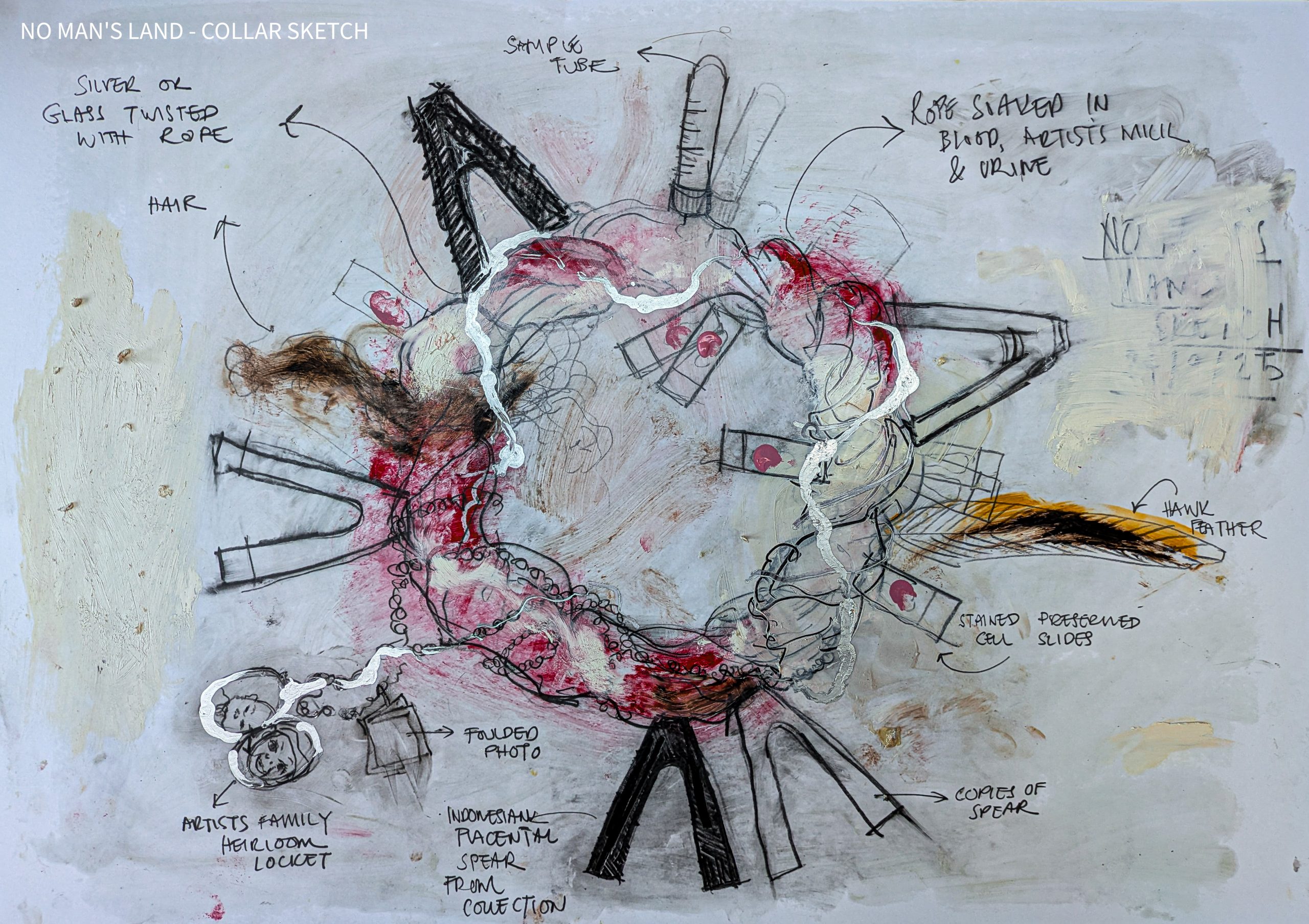
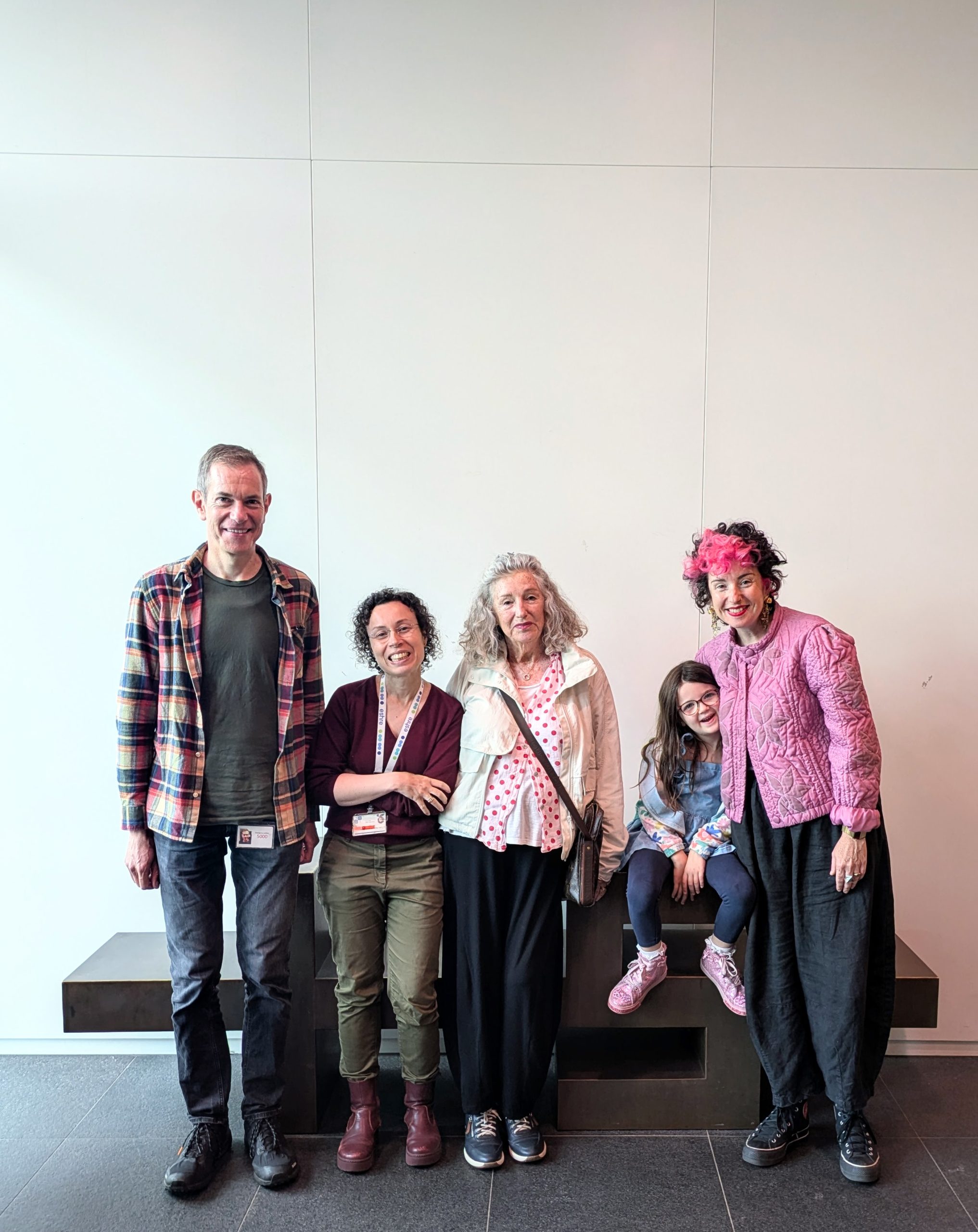
No Man’s Land is a project made in collaboration with Prof. Susana Chuva de Sousa Lopes and Dr. Christian Freund in which we are growing the ‘placentas’ of 3 generations of my family spanning 80 years in age.
The project uses Human induced Pluri-Potent Stem Cells (HiPSCs) donated in 2026 by myself (42), my mother Judith (81), my daughter Lilith (6), and collected from a blood sample taken when I was 3 months pregnant with my youngest daughter Violet (2). HiPSCs can be made in the laboratory by reprogramming other types of cells collected from blood and/or urine samples. These stem cells can then, in turn, be induced to transform (differentiate) into any other type of cell in the body as well as extraembryonic cells, like the cells of the placenta. The 4 samples of hiPSCs that we will attempt to grow in this project will be metamorphosed into trophoblast cells which during early pregnancy form the placenta.
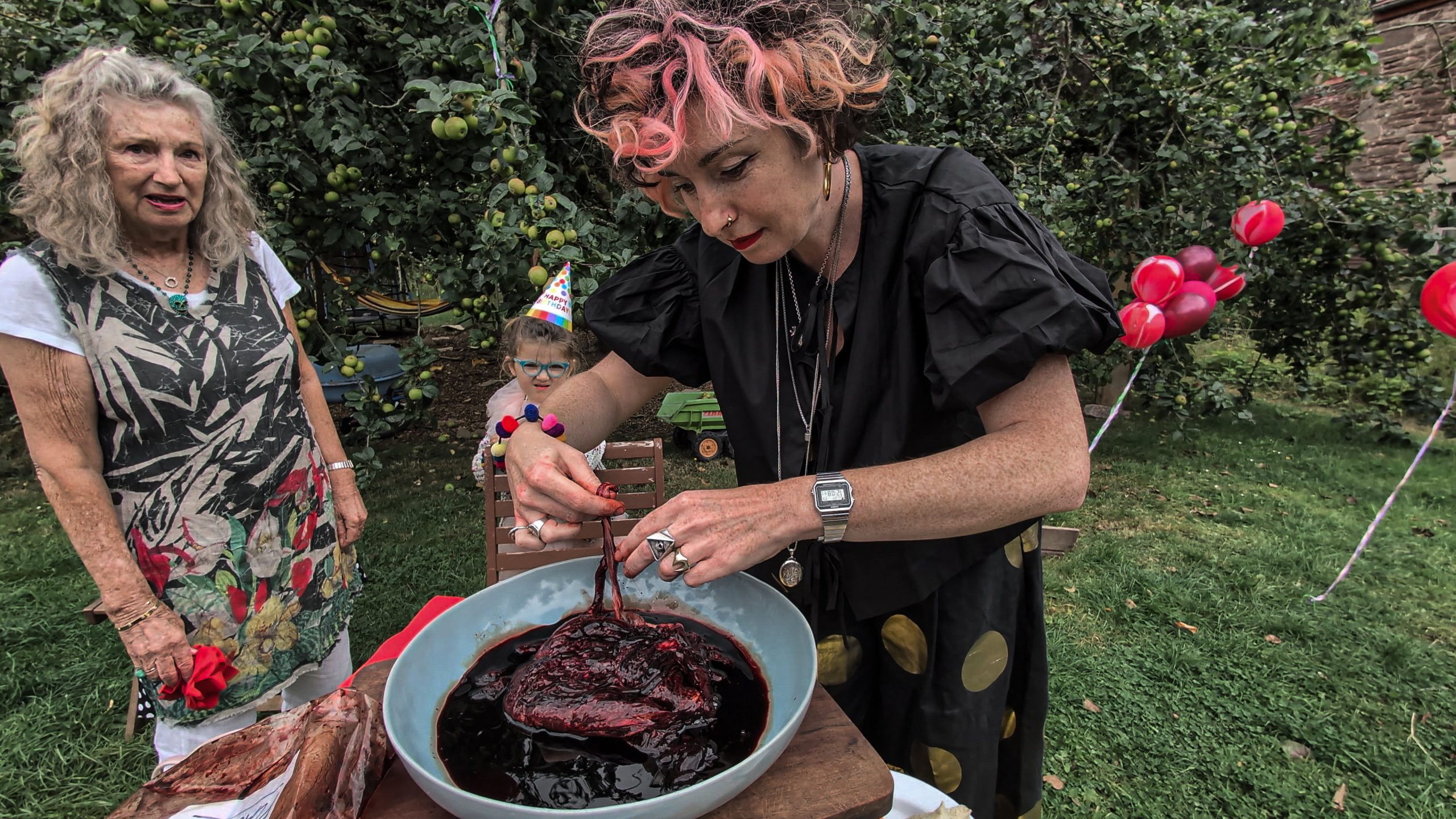
It is the foetus – not the mother – that grows its own placenta. Whilst the placenta is sustained by its host (the mother) it is manifested by the foetus. The placenta is the first structure to emerge on the growing embryo – a halo of cells (the trophoblasts) which become visible around 5-6 days after fertilization. Subsequently, No Man’s Land is a kind of biological matryoshka doll. Placental cells grown from my stem cells are not the same as the organs I was host to when I was pregnant with my daughters; they are the same as the placenta that grew inside my mother when she was gestating me. Placental cells grown from my mother’s stem cells are the same as those that hijacked the uterine wall of her mother – my late grandma.
Full project description here.
Made in collaboration with Prof. Susana Chuva de Sousa Lopes and Dr. Christian Freund
The project is being hosted by Medicinsk Museion Copenhagen